

Emily Edlynn: "Autonomy and independence are fundamental needs – also, and especially, for children!"

Emily Edlynn: "Autonomy and independence are fundamental needs – also, and especially, for children!"
Interview with the experienced child and adolescent psychologist
"We have to accept that we have no guarantee that our children are protected from all dangers. But if we foster open communication and a sense of independence in the child, they are less likely to rebel in risky ways. So we protect our children more if we support them in their autonomy instead of controlling them. This also means that we see our children as worthy and capable of having their own opinion and voice." Child and adolescent psychologist Emily Edlynn, author of the guide "Children Need Wings, Not Helicopters!" (Orig. "Autonomy-Supportive Parenting"), considers it crucial to encourage children to take more responsibility and self-determination so that they grow into mature, happy adults. "Autonomy-supportive parenting has benefits for both children and parents: while children develop better self-esteem and confidence in their own agency, parents have more freedom and time for themselves."
The English original title of your parenting guide is "Autonomy-Supportive Parenting." What is special about this approach, and how does this concept differ from other parenting methods?
Emily Edlynn: Autonomy-supportive parenting is not a recipe for what to do or not to do. It is a mindset, a flexible framework for developing a parenting style that suits you and your family while centering the child's sense of independence.
Parents often tend to slip into the role of "helicopters" by wanting to solve every problem their children have and literally hovering over their daily lives. Where does this widespread form of parenting come from, and what effect does it have on our children?
Emily Edlynn: I don't know exactly where "helicoptering" comes from, but my theory is that parents are surrounded by anxiety-based messages in the media about potential threats to children. As parents, we are hardwired to protect our children, but we over-interpret the threat in our children's world. Stress, for example, is not a threat to a child's well-being – in fact, it is essential for their development! As long as children are physically and emotionally safe, we need to let them experience difficulties and challenges so that they acquire confidence and skills.
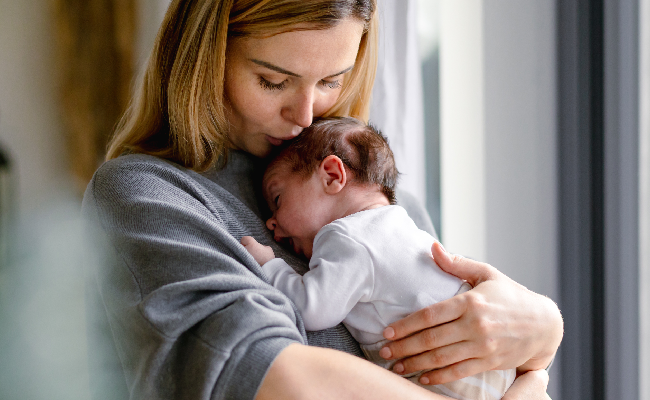
|
Helicopter parents only want the best for their child – like a helicopter, they "hover" over them, anticipate every difficulty and challenge, and want to clear all obstacles out of the way... logically, the children themselves either become passive and feel immature and incapable, or they massively rebel against the constant control.  |
The counter-model to overprotective behavior relies on trust instead of control. What are the advantages of promoting autonomy for children and parents, and are there also situations where control is better than trust?
Emily Edlynn: The benefits of promoting autonomy for both sides are that children become more competent and have more confidence in themselves; this helps them develop a strong sense of self and agency in the world. All of this means that parents do less for their children, who can do more themselves – which also gives parents more autonomy in their own lives. When parents "parent" less, they have more freedom and time. Of course, if a child shows a pattern of poor judgment and a tendency toward risky behavior that puts them in danger, then they need more boundaries to grow up safely. But I still wouldn't call that control, but rather firm structure.
You are not only an experienced child psychologist and parenting expert, but also a mother of three yourself. How has your family life contributed to writing a parenting guide, and how can the concept be implemented in everyday life?
Emily Edlynn: Since writing this book, I have become much more confident and content as a mother because I have seen the benefits of the autonomy-supportive approach. My children and we (their parents) frequently had conflicts. When I realized that one of the main causes of these disagreements was that they felt controlled, I began to use some of the strategies to strengthen their empathy and sense of responsibility. I use more flexible language, ask my children to complete tasks instead of asking them, and we have very firm and clear boundaries for behaviors, which we also explain to them. In short: In our family, there is a lot of open communication and cooperation, while we as parents retain authority. We do not see our children as equal to us adults, but consider them worthy and capable of having their own opinion and voice and contributing to our family in a meaningful way.
|
Children need and appreciate clear structures and accept rules and boundaries when they are explained. Within this framework, they are certainly able to make their own decisions and thus acquire an important degree of self-confidence and self-responsibility.  |
Children who experience a high degree of external control show a higher risk of drug abuse as well as criminal and oppositional behavior. What can parents do to protect their children from these dangers?
Emily Edlynn: First of all, we have to accept that we have no guarantee that our child is protected from all dangers. Life is not a risk-free experience. But we can encourage our children to talk to us about their problems, ask us for advice, and even discuss our rules, instead of pretending to follow them and then sneaking off. If we foster open communication and cooperation, they won't feel so controlled. And when children don't feel controlled, they are less likely to rebel in risky ways. So we protect our children more if we support them in their autonomy instead of monitoring them.
Many of the experiences, case studies, and terminologies you describe – especially regarding the education system – refer to life in the USA, but can be applied to all Western societies. What experiences do you have with families whose values are shaped by a different cultural background?
Emily Edlynn: One of the most enriching experiences I had during my book tour was talking to a large group of Muslim mothers who had immigrated to the United States. I discovered how well they understood the human need for self-determination and autonomy. Even with a non-Western cultural background, these parents knew how important it was for their children to feel understood and valued. This is what autonomy-supportive strategies support, and these are indeed fundamental human needs, regardless of cultural background.
Book Tip:
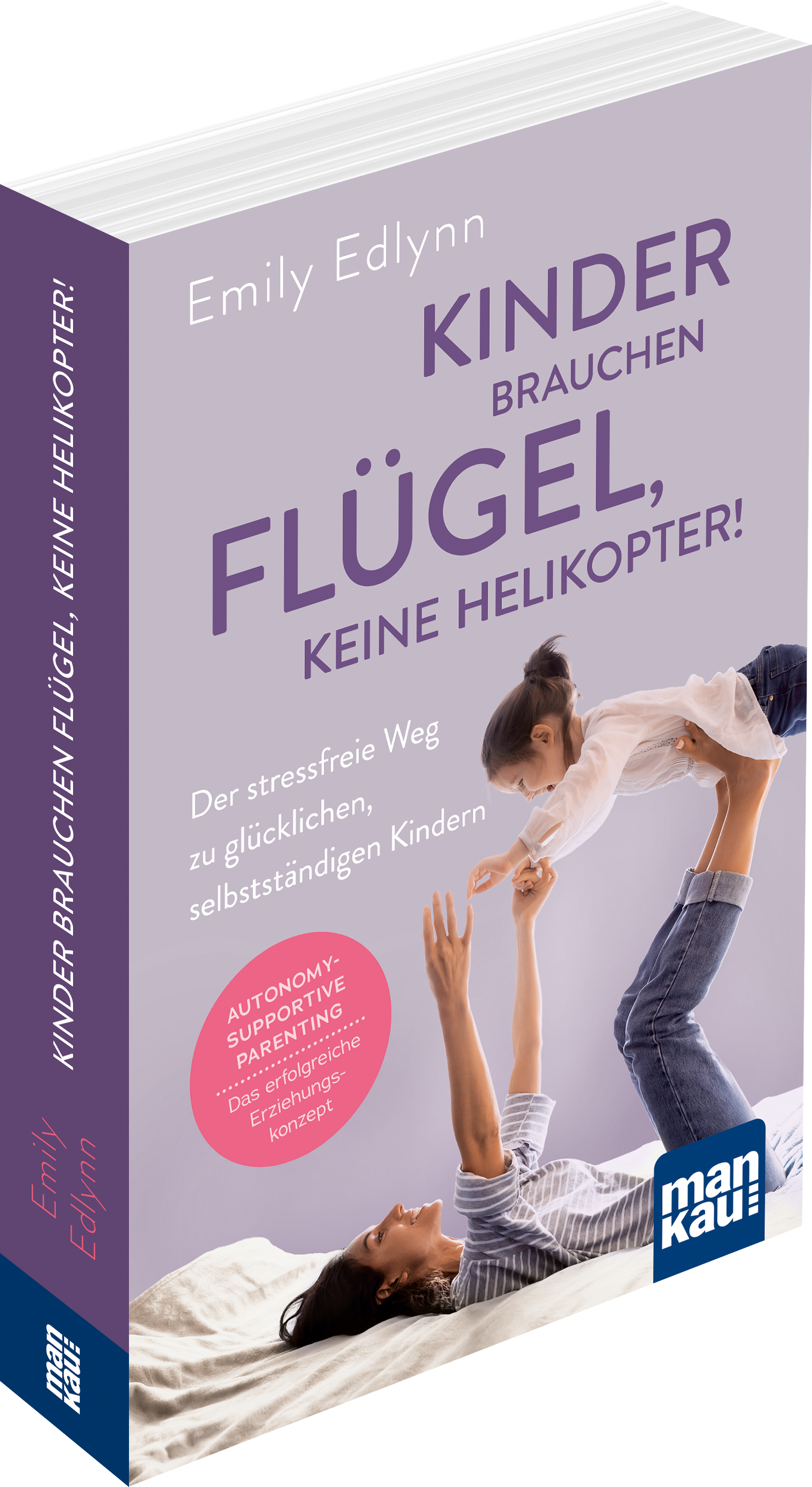
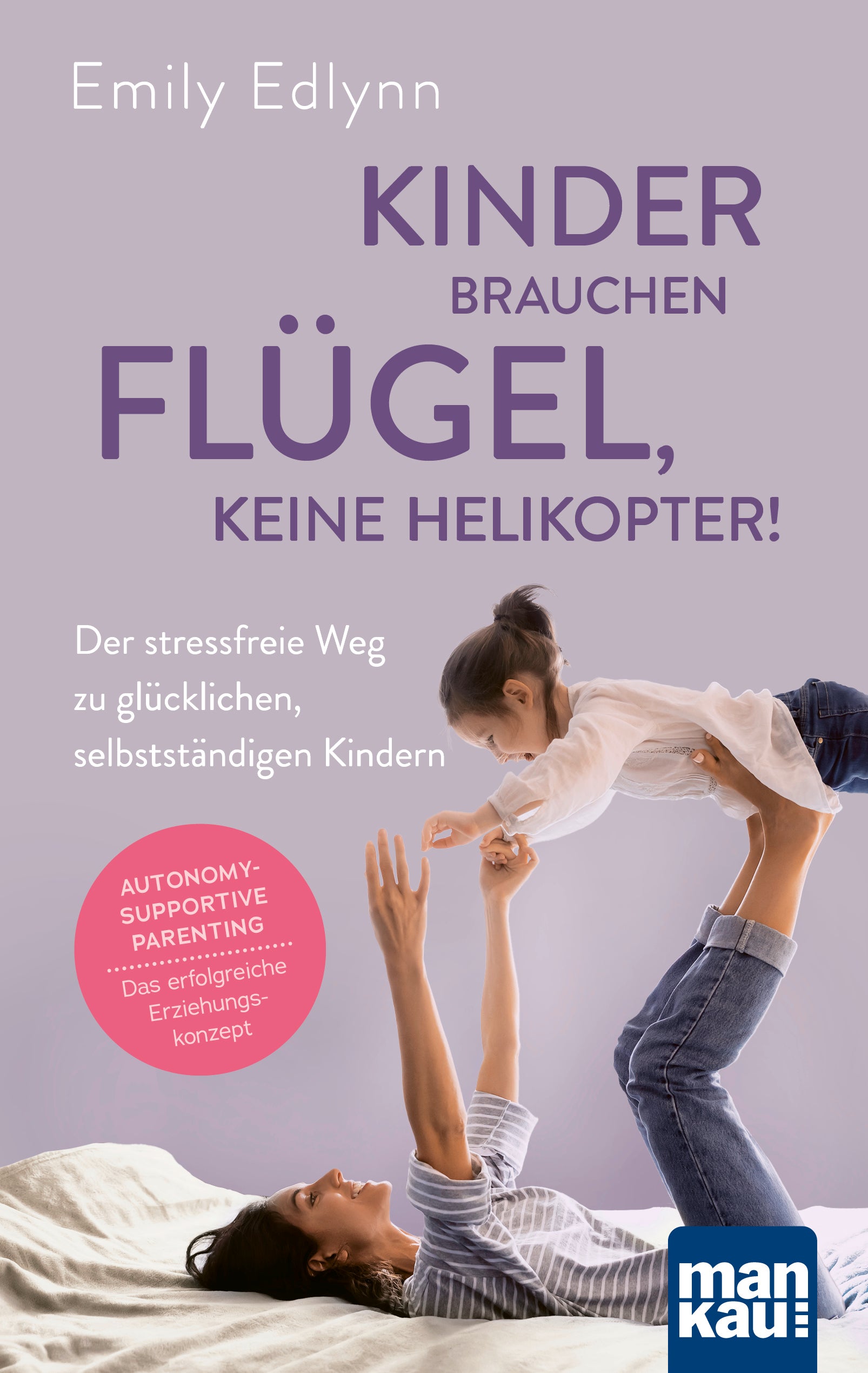
Emily Edlynn: Children Need Wings, Not Helicopters! The stress-free way to happy, independent children. Autonomy-Supportive Parenting – the successful parenting concept. Mankau Verlag, 1st ed. November 2024, flap paperback, 13.5 × 21.5 cm, 355 pp., €22.00 (D) | €22.70 (A), ISBN 978-3-86374-731-2
Link recommendations:
More information about the book "Children Need Wings, Not Helicopters!"
To the reading sample in PDF format
More about child and adolescent psychologist Emily Edlynn
Our social networks – for questions, criticism, suggestions
This might interest you
More articles
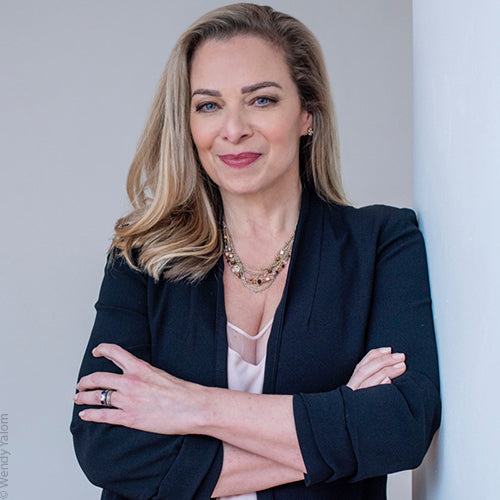
"Women are supposed to be pleasing, nice, and compliant," says the renowned psychotherapist and bestselling author in an interview. "That's practically the opposite of setting boundaries – because ...
Read more
Tuning Fork Therapy: "Tuning Fork Balancings heal and protect us!"
"We humans are energy beings, and only when our life energy can flow freely and undisturbed through our organism are we completely healthy. Here, the vibration of the tuning forks acts like a promp...
Read more
Diverse range of books
We offer a wide range of books on health, self-help and personal development.

Inspiring authors
Our more than 120 authors are experts in their fields and are happy to share their wealth of experience.

Practical guides
Our books and media are practice-oriented and offer helpful tips and instructions for everyday life.

New releases
We continuously publish new books and audio guides that address and delve deeper into current topics.