

Quiet time? Or the year's stress? Cortisol balance in Advent

Quiet time? Or the year's stress? Cortisol balance in Advent
Five Steps to More Calm in Advent – and How You Can Support Your Stress System
The Advent season is considered a time of peace, but for many, it feels like the busiest time of the year. Darkness, full calendars, family tensions, and consistently too little sleep can quickly turn December into an overload zone.
Much of this is explainable if you understand how the body's stress system works. Cortisol is at its center. This hormone is widely discussed but often misunderstood. It is not a "toxin" to be eliminated but a vital pacemaker.
 Dr. med. Peter Heilmeyer says: "The idea that you need to flush cortisol out of your body is nonsensical. Cortisol is not an enemy; it only reacts to what we expose it to." |
Without cortisol, we wouldn't be able to get up in the morning, concentrate, generate energy, or withstand stress. Problems only arise when the rhythm is disrupted. This happens especially easily in December: little daylight, lots of sugar, alcohol, late nights, many stimuli, and the emotional pressure to "get everything done."
"Many typical December complaints, such as irritability or fatigue, are normal hormonal reactions," says science journalist Svea Golinske, co-author of the book "The Cortisol Code." If you know what cortisol reacts to, you can counteract it – even with small steps.
 "When you understand why cortisol reacts so sensitively, Advent loses much of its pressure," assures Svea Golinske. "Small steps are enough to calm the system." |
A brief moment of daylight in the morning stabilizes the internal rhythm. Coordinated meals prevent blood sugar spikes and allow the stress system to work more calmly. Short breaks interrupt continuous tension. An hour without a screen before bed calms the body more than any meditation. And exercise is beneficial when done consciously: walks, light cycling, and yoga harmonize. Intensive training strengthens, provided regeneration times are observed.
Nutrition can also alleviate stress. In December, it's not about abstinence but structure. Some protein in the morning, a warm meal at lunchtime, and lighter food in the evening, consciously incorporating sweets. The body reacts positively when the metabolism isn't constantly on a roller coaster ride.
 Tip: A simple dish that brings calm: sauté a small handful of red lentils with a little onion in olive oil, pour in broth, simmer for ten minutes, add some spinach, and season with turmeric and lemon. Warms, satisfies, and stabilizes. |
Cortisol is not an adversary. It merely indicates what has become excessive. Those who understand their stress system will navigate December more easily – and experience a significantly more relaxed Advent season and Christmas holidays.
The five most important tips for cortisol balance
-
Start the day with light.
A few minutes outdoors or by an open window are enough to stabilize the stress system in the morning. -
Eat regularly.
Three meals a day protect against cravings and keep cortisol calmer than any superfood. If you practice intermittent fasting, ensure sufficient fiber, vitamins, and proteins in your meal choices during eating phases. -
Dampen stimuli.
Turn off push notifications, take short breaks in the fresh air. Mini-interruptions are more effective than big plans. -
Wind down slowly in the evening.
Dimmed lights, an hour without a screen, a warm drink. This lowers cortisol and improves sleep. -
Exercise without pressure.
Gentle activities like walking, cycling, or yoga bring more calm to the body than any intense training. For intense sports sessions, choose the right time of day, adjust protein intake, and ensure sufficient recovery.
And additionally: support when needed. If you easily get out of sync during particularly stressful times, you can supplement your body with magnesium or Omega-3. Both substances calm the stress system without dampening it and fit well into a busy December and the Christmas season.
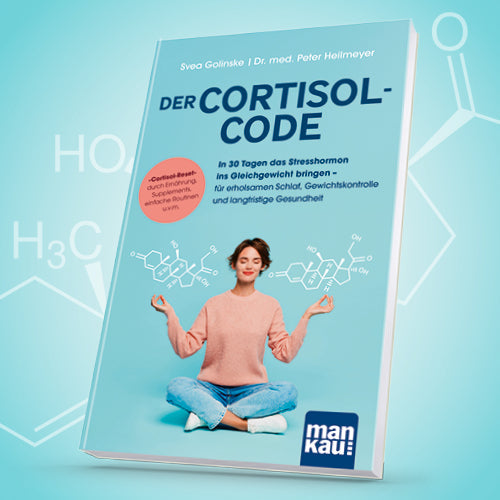
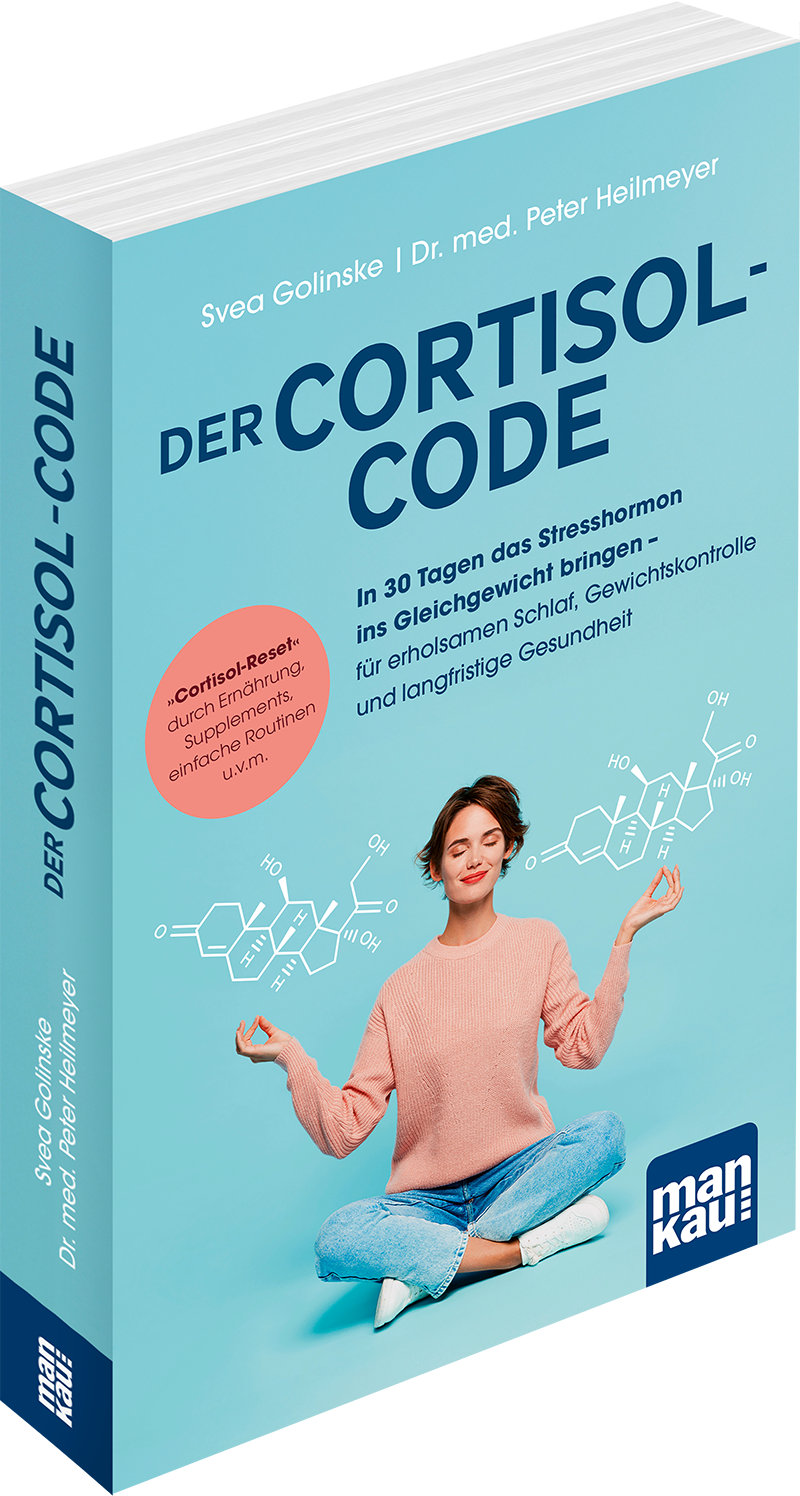
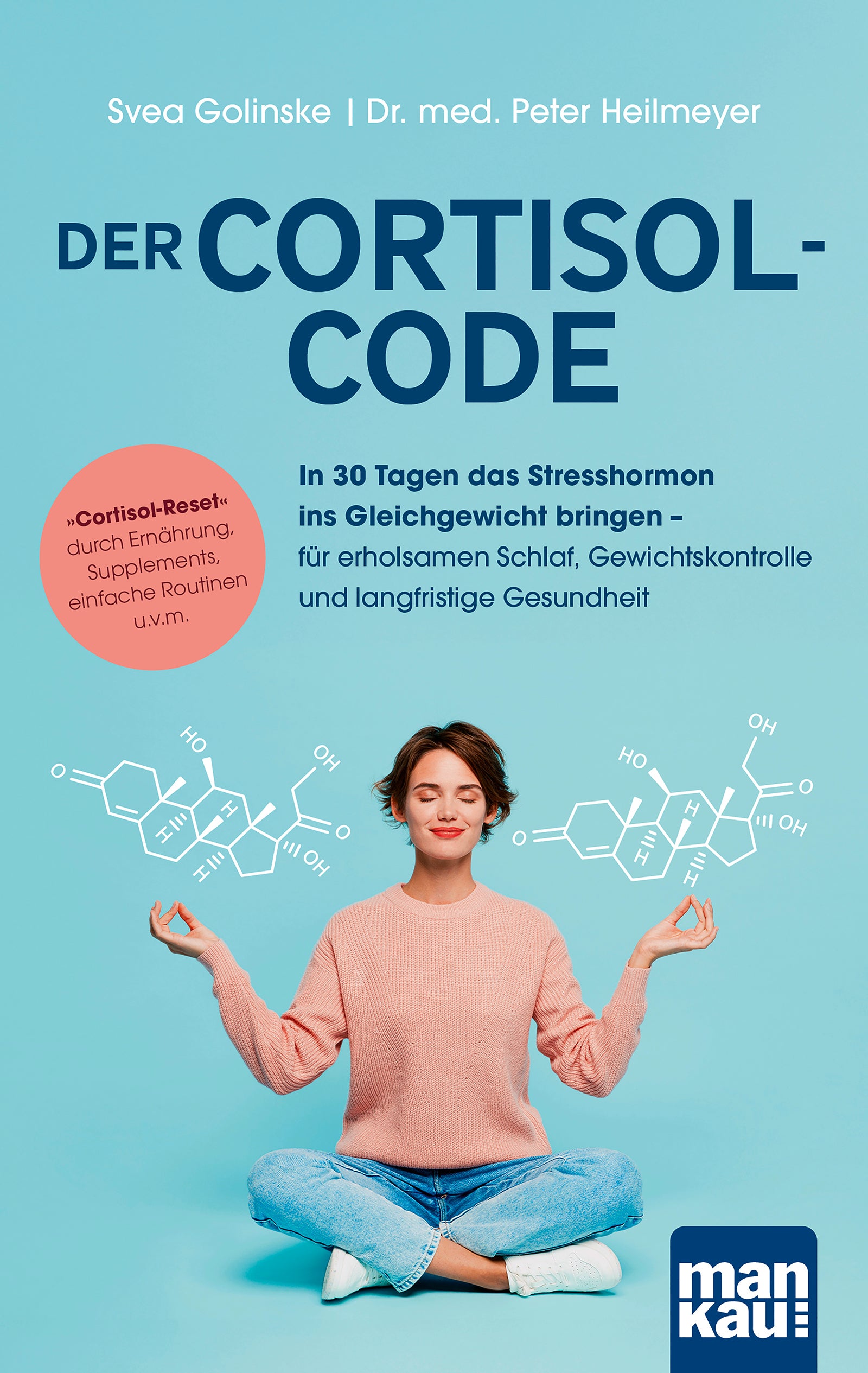
 The Cortisol Code Balance the stress hormone in 30 days – for restful sleep, weight control, and long-term health "Cortisol Reset" through nutrition, supplements, simple routines, and much more. "The Cortisol Code" is the first guide that explains, in a medically sound yet easy-to-understand way, what cortisol is and how this "stress hormone" works. Above all, it reveals how much we can do ourselves to bring it back into balance. The book explains why cortisol so easily gets out of sync in our modern everyday lives and how sleep, light, nutrition, exercise, and small habits can stabilize its rhythm. It clearly conveys: We are not at the mercy of our stress reactions. We have far more influence than we think. To the book → |
This might interest you
More articles
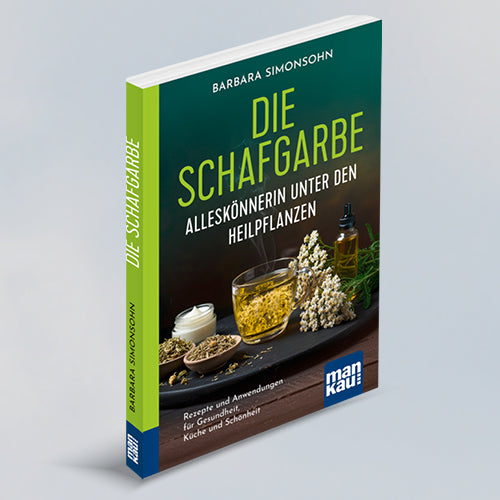
Alleskönnerin und Allheilmittel Schafgarbe
Die Schafgarbe, Arzneipflanze des Jahres 2025, ist ein wahrer Tausendsassa unter den heimischen Superfoods. Mit ihrem beeindruckenden Wirkungsspektrum gilt die Schafgarbe seit der Antike als vielfä...
Read more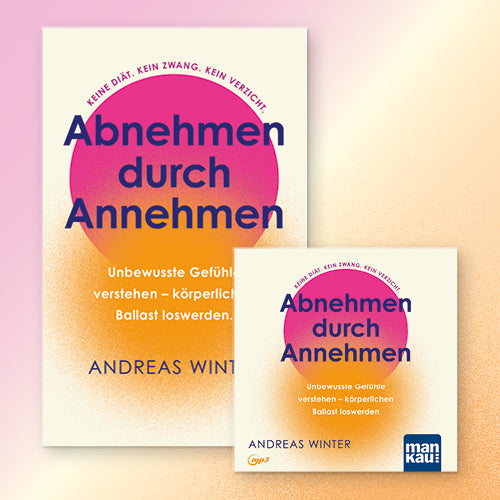
Das Prinzip der „Winter-Diät“: Verständnis statt Verzicht
„Abnehmen durch Annehmen“ ist kein Diätbuch im klassischen Sinne, sondern eine tiefenpsychologische Aufklärung der emotionalen Ursachen des Essverhaltens. Denn nicht das Essen macht dick, sondern S...
Read more
Diverse range of books
We offer a wide range of books on health, self-help and personal development.

Inspiring authors
Our more than 120 authors are experts in their fields and are happy to share their wealth of experience.

Practical guides
Our books and media are practice-oriented and offer helpful tips and instructions for everyday life.

New releases
We continuously publish new books and audio guides that address and delve deeper into current topics.