

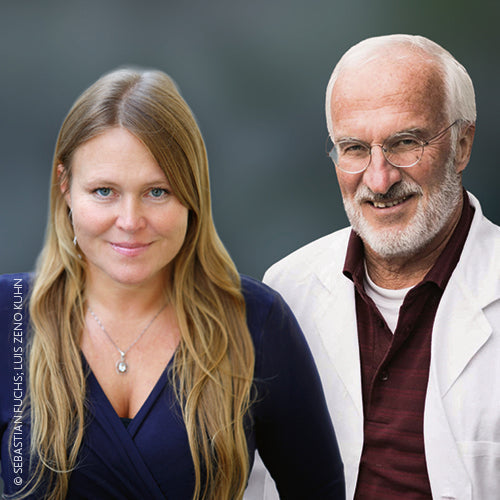
Svea Golinske and Dr. med. Peter Heilmeyer: "Anyone who wants to 'detox' cortisol has misunderstood the principle!"

Svea Golinske and Dr. med. Peter Heilmeyer: "Anyone who wants to 'detox' cortisol has misunderstood the principle!"
Interview with the science journalist and the renowned specialist
"Cortisol is vital. Without cortisol, we wouldn't be able to get up in the morning, regulate inflammation, or provide energy. We no longer want to demonize this hormone, but to understand it: it's about balance, not fighting it!" Svea Golinske and Dr. med. Peter Heilmeyer, authors of the book "Der Cortisol-Code" (The Cortisol Code), explain in an interview the important role of the often-maligned "stress hormone" and present a whole range of levers we can use to ensure a stable cortisol rhythm ourselves.
Ms. Golinske, Dr. Heilmeyer, why was it important for you to write a book about cortisol – and why now?
Golinske: Actually, you should be asking me: Why only NOW? Simply put, it's high time to fundamentally educate people about cortisol. Cortisol is a hormone that we can significantly influence ourselves if we understand it – without the help of medicine or doctors.
Heilmeyer: Cortisol is one of the most important, but at the same time most misunderstood, hormones. In daily practice, I see countless people with symptoms that can be explained by cortisol imbalances – from sleep problems to weight gain, exhaustion, and mood swings. At the same time, many myths circulate in the media. It was high time to present the topic in a scientifically sound yet easy-to-understand way.
Ms. Golinske, you come from science and medical journalism, and Dr. Heilmeyer, you come from clinics and private practice. How did you bring your two perspectives together in writing?
Golinske: We are united by a scientific view of things. In our analyses and recommendations, we almost always came to the same conclusion. Through our experience in nutrition and diabetes prevention, it quickly became clear which topics deserved special attention – also because we always wanted to see them in a broader societal context.
Heilmeyer: We complemented each other perfectly. Svea knows the questions readers would ask, understands today's lifestyle – and contributes her science journalism perspective. I provide the medical background and patient experiences. This resulted in a book that is scientifically sound, practical, and reader-friendly.
But now to the actual topic: Cortisol is often referred to as a "stress hormone" and thus made into an enemy. You, on the other hand, describe it as a key hormone. What is so special about it?
Golinske: All our hormones have a function; none is a demon. Cortisol and insulin are considered by many today, among other things, to be fattening. However, both only become problematic when they act in excess in the body over the long term. Understanding the fundamental functions of hormones in the body is the key to quickly recognizing that they are important and that they are usually only thrown out of their usual functioning by lifestyle and external influences from work, environment, and private life, thereby having unhealthy effects. The causes, however, are not the hormones, but the influences mentioned, and it is precisely these that everyone can change themselves!
Heilmeyer: Cortisol is vital. Without cortisol, we wouldn't be able to get up in the morning, regulate inflammation, or provide energy. What's special is that we no longer want to demonize this hormone, but to understand it: it's about balance, not fighting it. Anyone who wants to "detox" cortisol has not understood the principle.
 Sleep disturbances can be a sign of a disrupted cortisol balance – as can exhaustion, weight gain, stubborn belly fat, irritability, and concentration problems. Targeted stress management, relaxation methods, and mindfulness practices are among the many tools we can use to restore balance to our hormones.
|
Your book uses a "Cortisol Code" made up of puzzle pieces. Can you explain how this image came about?
Golinske: When it comes to cortisol, there isn't a single trigger, but a multitude of possible and sometimes very different triggers. Bringing them all together in harmony with the individual needs of body and psyche and combining them with resilience factors is like a puzzle. Not all pieces always have to fit to be "cortisol-healthy"; you can still recognize the picture even if most of the puzzle pieces fit together correctly.
Heilmeyer: Diet, sleep, exercise, light, emotions – the cortisol code describes these puzzle pieces that, taken together, determine whether our cortisol level remains stable or becomes dysregulated. The image of a puzzle helps to make the complexity tangible.
Many books and social media posts currently offer tips for stress. Cortisol has become a kind of "buzzword." How does your approach differ from others?
Golinske: The more I know and understand, the more I can achieve myself – that is our credo. Furthermore, we consistently rely on research and clinical experience, not on current trends. This is how "The Cortisol Code" came about: It takes a comprehensive approach, explains important cortisol-dependent functions in the body, and offers a broad portfolio of individually possible levers that our readers can adjust to maintain or restore their own cortisol balance in the long term.
What was the biggest surprise for you in your research or practice – something you hadn't expected?
Golinske: I was actually surprised by the immense interdependence with diabetes-relevant aspects. Of course, I knew about the connection, but the extent of it really surprised me and, in discussions with Peter, reinforced the idea of delving deeper into this often-neglected aspect in a detailed excursus in the book.
Heilmeyer: I wasn't previously aware of how strongly cortisol is linked to the psyche, the gut, and even the social environment. For example, loneliness or digital overstimulation can have measurable effects on the cortisol rhythm. This shows how finely tuned our system is.
One chapter is dedicated to children. Why is cortisol regulation so crucial in childhood?
Golinske: The topic of children was personally very important to me – I am a mother of a six-year-old daughter myself and have extensively explored the question of when attending kindergarten or daycare might be good for my child. During my research, I found disturbing information in current research results. In times when, unfortunately, there is always the least money available for our children, daycares are bursting at the seams, and there is a shortage of caregivers, it is even more important to point out the associated risks. Because chronically unhealthy cortisol levels can occur even in infants and children – especially in inadequate care situations, as are often found in institutions. This can have lifelong consequences for the little ones. Various and individually meaningful childcare methods should be made possible for each family model. Quality and caregiver-to-child ratios in nurseries and daycares must be adapted to the needs of the children, not the children to the needs of the working world or fiscal budgets.
Heilmeyer: Children have a particularly sensitive stress axis. If it is constantly overstimulated – for example, by performance pressure or a lack of rest periods – it can leave long-term traces, also in the immune system and in development. We wanted to sensitize parents without causing fear: it's about mindfulness, not perfection.
 Even in our youngest children, overstimulation and the constant hustle and bustle in daycare and kindergarten can cause cortisol levels to rise – however, toddlers themselves do not yet have the ability to regulate the stress they experience. Special caution is required here, and great empathy from caregivers and reference persons is needed. Because continuously elevated cortisol levels can impair health and memory performance in the long term.
|
You mentioned that the topic of diabetes is also highlighted in your book. What role does cortisol play in this widespread disease?
Golinske: Simply put, cortisol raises blood sugar, and insulin lowers it. A persistently elevated cortisol level promotes the development of type 2 diabetes. This affects almost ten percent of the German population – not including the unreported cases and certainly not the at-risk group. The interdependencies of cortisol balance and type 2 diabetes are significant, both from a preventive and curative perspective! This is important to know not only for those affected but also for at-risk groups and health-conscious individuals.
You also mention levers that are not immediately associated with stress – such as cold and heat applications or the gut-brain axis. Why can precisely these factors so strongly influence cortisol levels?
Heilmeyer: Because they train our body's adaptability. Alternating stimuli like cold and heat improve stress resilience, similar to exercise. And the gut, through the microbiota, plays an astonishingly strong role in communication with the brain. If this axis is stable, the cortisol system also calms down.
With the 30-day reset, you provide a roadmap. Is this a rigid program or more of a toolkit that everyone can use?
Golinske: A rigid program can only be applied to a technical system. People are different – therefore, all our recommendations should always be seen in an individual light as a practical toolkit from which every reader can choose the appropriate tools. Some focus on sleep and nutrition, others on exercise or relaxation. The important thing is to know and activate the levers that one can best adjust for oneself – and to feel what is good for you.
Finally: If readers should implement only one thing from your book immediately – what would it be?
Heilmeyer: Regularly and consciously incorporate breaks. That sounds trivial, but it has almost been lost in our society. Cortisol needs not only activity but also recovery. Anyone who understands that has already cracked the first code.
 Svea Golinske | Dr. med. Peter Heilmeyer |
Link Recommendations
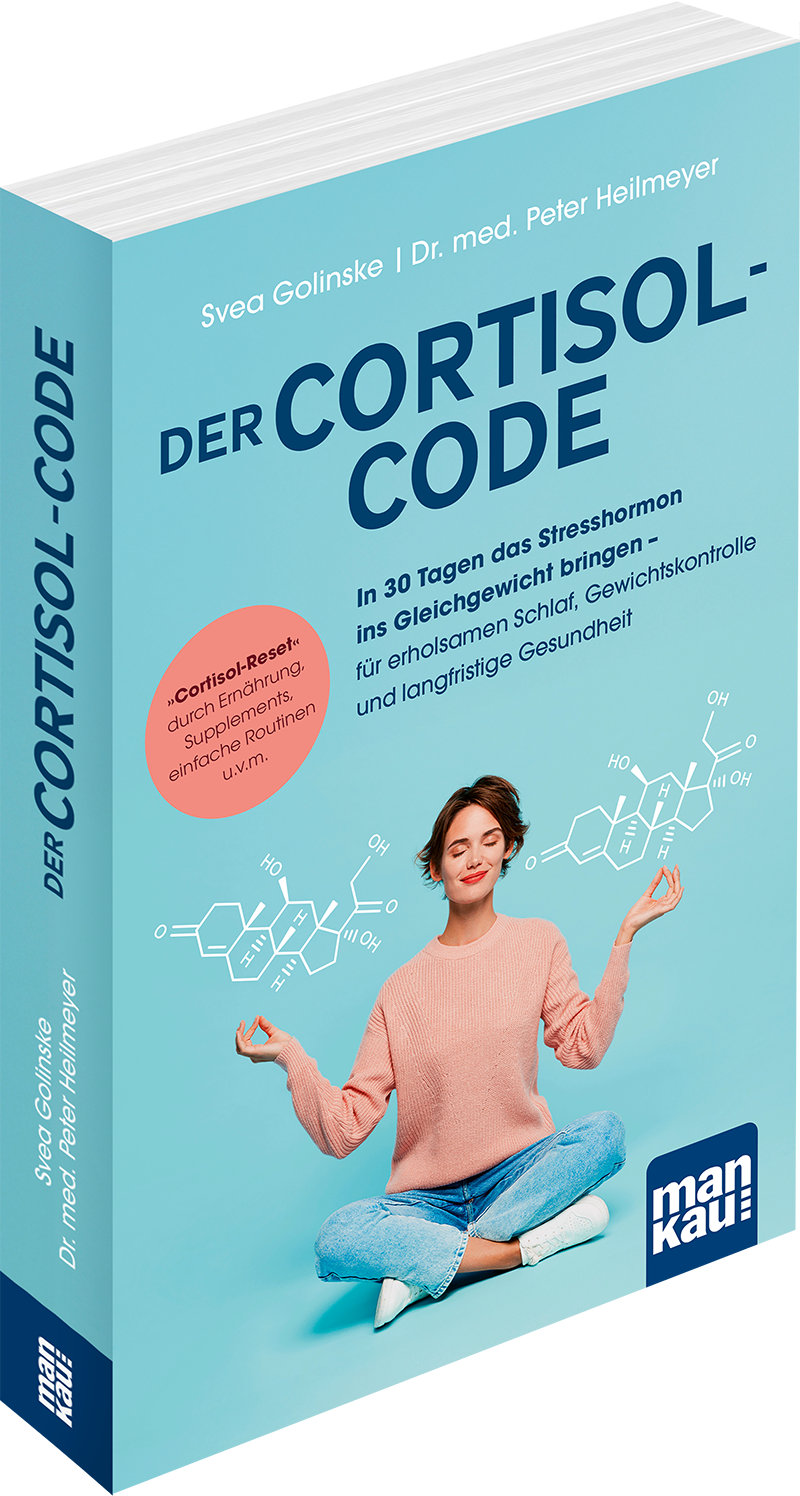
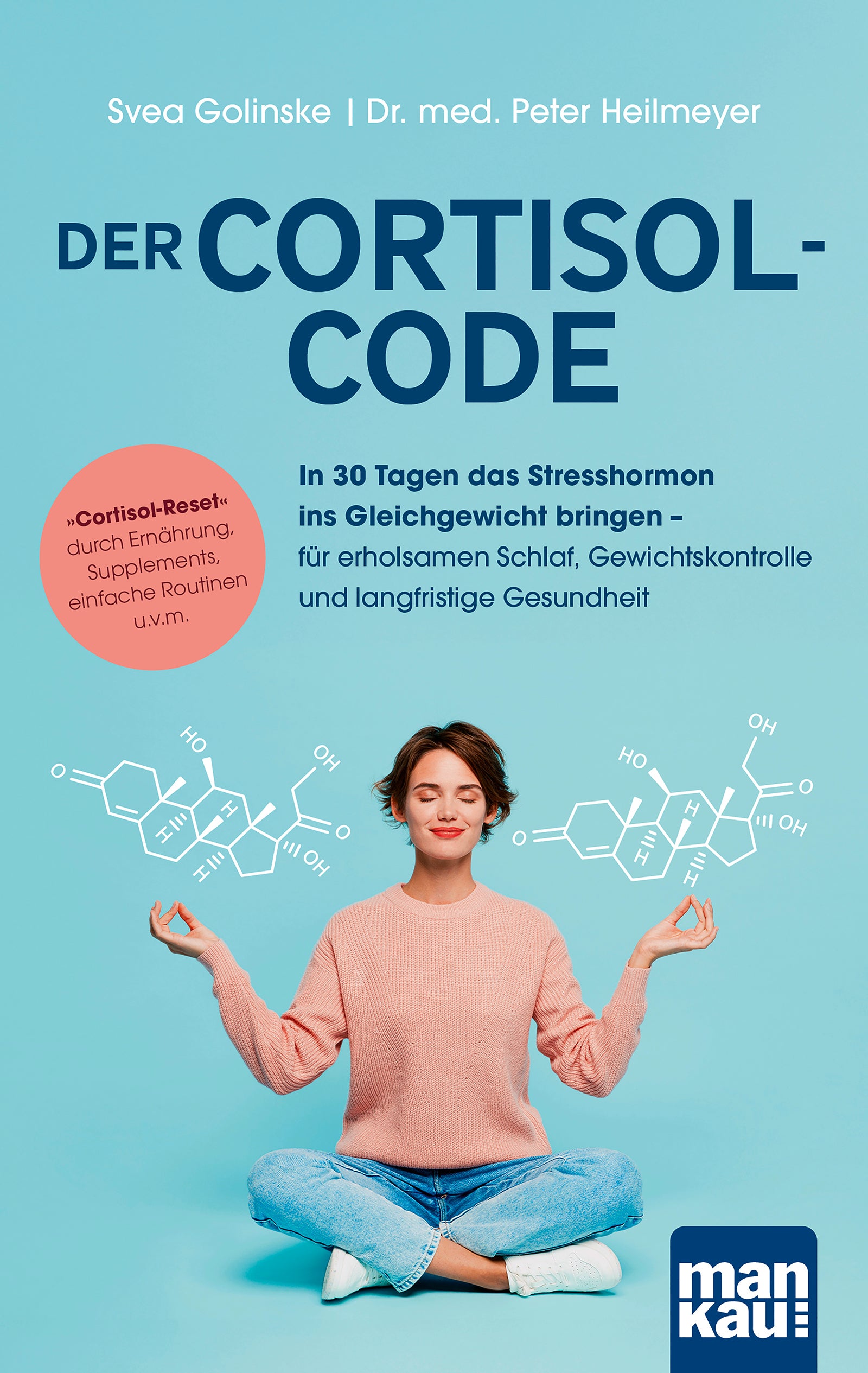
More about the book "The Cortisol Code" →
To the reading sample in PDF format →
More about author Svea Golinske →
More about author Dr. med. Peter Heilmeyer →
To social networks – for questions, criticism, suggestions →
This might interest you
More articles

"Our book aims to help women reconnect with themselves, perceive their inner movements, and lovingly explore fears rather than suppressing them. We invite you to look behind the fear: What message ...
Read more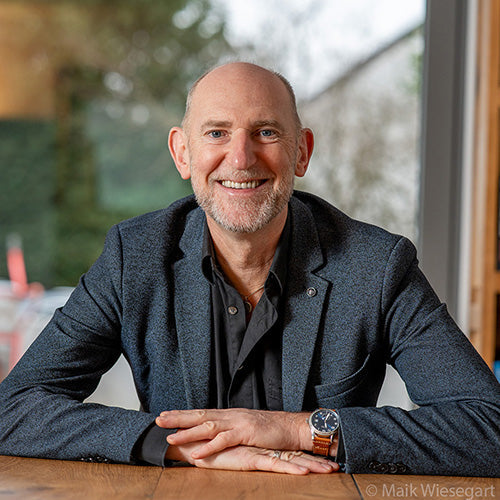
"The diet industry fights the body. In addition to food bans, there are stomach operations, laxatives, tapeworms, appetite suppressants, and diet pills on offer. All of this creates stress, shame, ...
Read more
Diverse range of books
We offer a wide range of books on health, self-help and personal development.

Inspiring authors
Our more than 120 authors are experts in their fields and are happy to share their wealth of experience.

Practical guides
Our books and media are practice-oriented and offer helpful tips and instructions for everyday life.

New releases
We continuously publish new books and audio guides that address and delve deeper into current topics.