
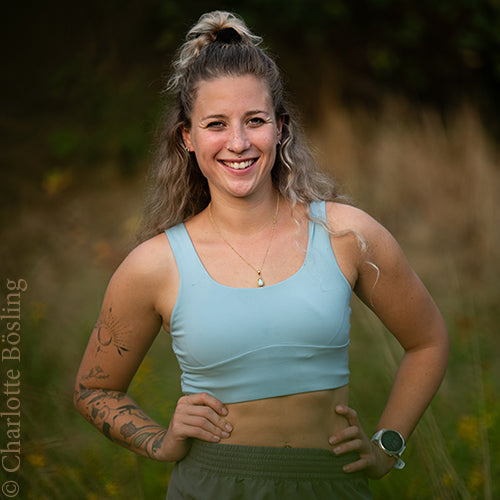
Tabea Lorch: "Strong and capable at every stage of life – through cycle-based and female-specific training"

Tabea Lorch: "Strong and capable at every stage of life – through cycle-based and female-specific training"
Interview with Female Performance Coach and Running Coach Tabea Lorch
"Women's bodies are different – therefore, women should train differently than men and take their hormonal dynamics into account. Many women either train too much or focus on the wrong things; the topic of regeneration is also often underestimated, yet it is essential for hormone balance and performance development. Through hormone-friendly, cycle-oriented, and individually adapted training, women can achieve their training goals much more easily." Sports scientist Tabea Lorch, author of the book "Women Train Differently" and known for her social media network "laufganzheitlich" and the podcast of the same name, aims to provide women with the necessary knowledge to question common training and nutrition tips and to stay healthy and fit in the long term.
Until now, female physiology and hormonal dynamics have hardly been considered in sports science and training concepts. With your guide "Women Train Differently," you want to change that. How do you succeed?
Tabea Lorch: In my book, I explain why women should train differently than men and how they can achieve their goals more easily through women-specific training without jeopardizing their hormonal dynamics – through hormone-friendly, cycle-oriented, and individually adapted training. I clearly summarize current scientific findings and my experiences from the last five years and provide practical instructions that every woman can directly integrate into her daily (training) routine. My goal is to empower women to question current training and nutrition tips to stay healthy and fit in the long term.
Despite all necessary equality: women have different physical and socio-cultural prerequisites than men. What are these, and how do they affect athletic performance?
Tabea Lorch: Women not only have a different muscle composition and metabolism than men, but also fluctuating hormone levels that affect strength, endurance, and regeneration. In addition, societal influences play a major role – for example, certain beauty ideals or the fact that women – especially mothers – have less time for exercise than men. All of this influences how women should train to best achieve their personal goals.
 |
In your opinion, a different type of training should not only be adapted to the female body but also to the different life phases of a woman. What role do pregnancy or menopause, for example, play in sports activity?
Tabea Lorch: The female body changes enormously throughout life, and exactly that should be taken into account in training and nutrition. During pregnancy, sport can have many advantages, but it must be adapted to protect mother and child. During menopause, muscle mass, bone density, and hormone levels change – training should then be specifically aimed at maintaining muscle strength and metabolic health. My book shows how women can remain strong and performant in every phase, because depending on the life phase, a woman needs a different type of training.
Hormonal balance, in particular, is crucial for a female-specific training concept. What is meant by a hormone-healthy and cycle-based training program in this context?
Tabea Lorch: Hormone-healthy training means taking the natural cycle into account instead of ignoring it or fighting against it. We don't simply accept a missed or irregular period, but rather see the cycle as an additional vital sign of the body. Only when a pain-free cycle is established can cycle-based training be done – a fact that many coaches and women overlook. Cycle-based training is therefore the icing on the cake. If the cycle is present and regular, then the hormonal dynamics can be used to set targeted training stimuli, increase performance, and avoid injuries.
 |
Through your own athletic experiences and your sports science studies, it became clear to you that women train far below their potential and require special support. What should women particularly pay attention to when engaging in recreational or competitive sports?
Tabea Lorch: Many women either train too much or focus on the wrong things – for example, endless cardio sessions instead of specifically incorporating strength training. The topic of regeneration is also often underestimated, yet it is essential for hormone balance and performance development. A conscious approach to stress, sleep, and nutrition also makes a big difference. Last but not least, it is important for women in their fertile years to document their menstrual cycle to understand whether a healthy amount of training is being maintained or if the body is already overloaded.
Proper and balanced nutrition is also part of healthy and successful training for women. What misconceptions are still prevalent here, and what nutrition tips do you have for female athletes and those who want to become one?
Tabea Lorch: Many women eat too little or avoid important nutrients like fats and carbohydrates for fear of weight gain. However, the body needs sufficient energy and protein, especially during training, to build muscle and recover. Another misconception is that "eating less" is always better – in reality, a lack of nutrients can imbalance hormones and hinder training success. The result? Many women find that they don't lose weight or even gain weight despite low energy intake. This is a natural protective mechanism of the female body and does not mean that the women are "too weak." As already mentioned, not all nutrition tips work for women. My book shows what an everyday, performance-enhancing diet looks like that satisfies, is fun, and helps to truly achieve a comfortable weight.
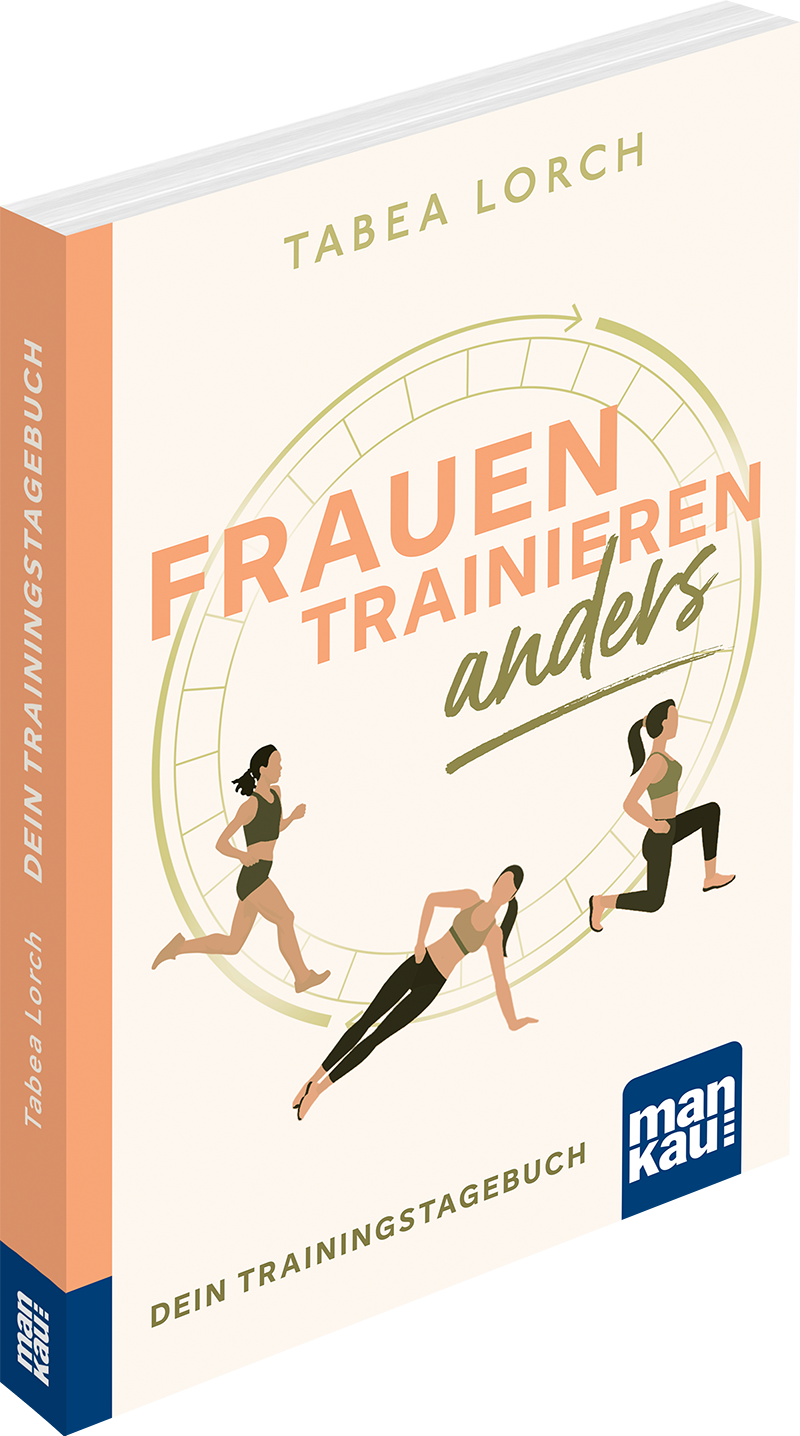
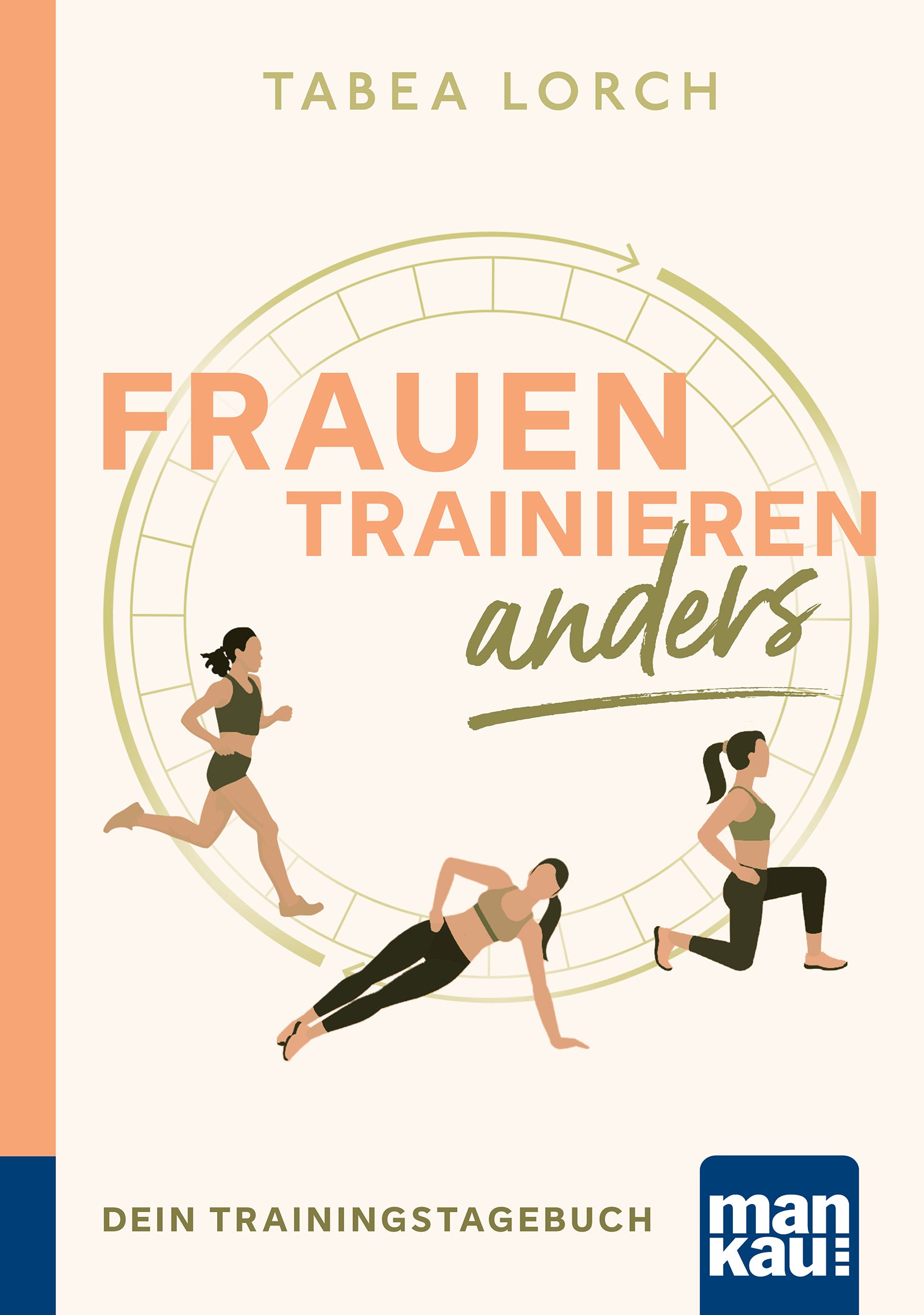
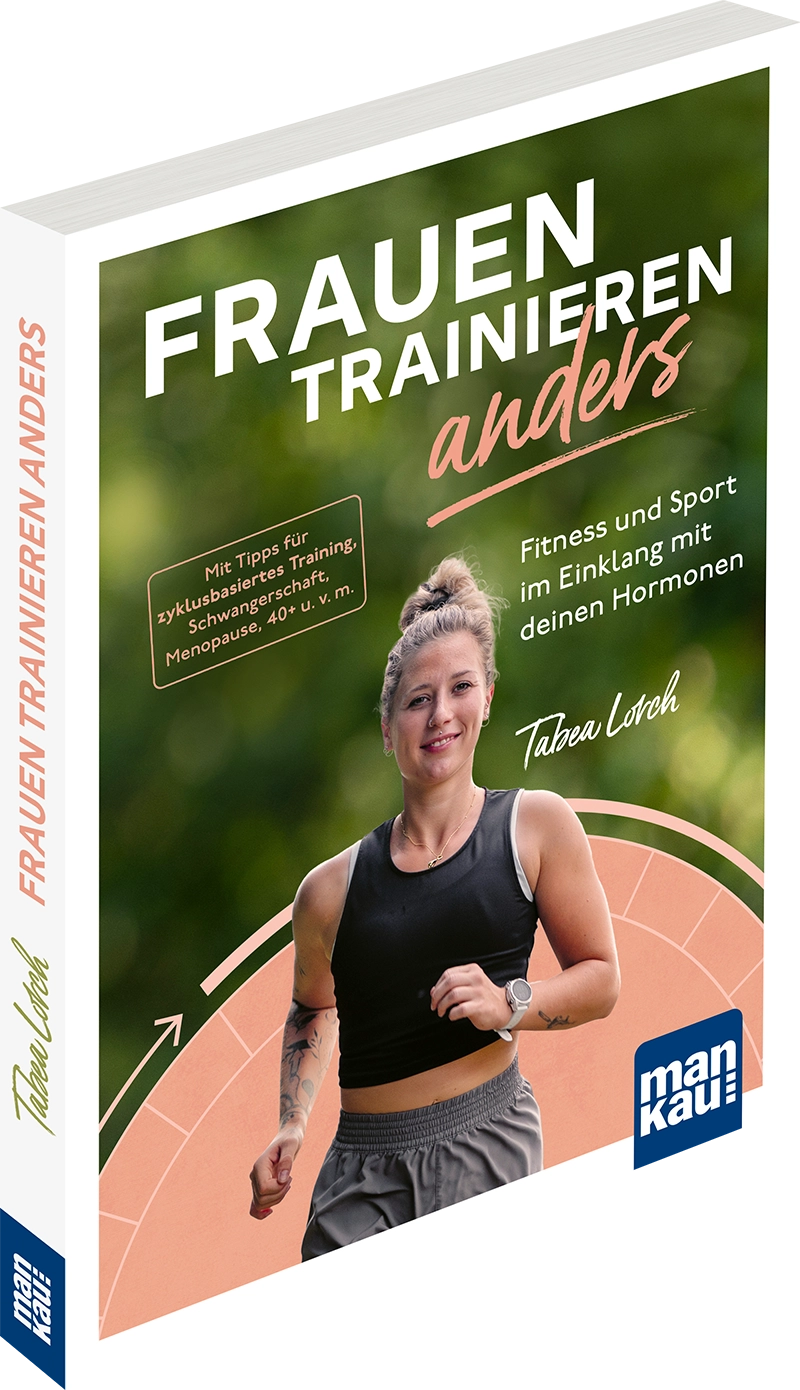
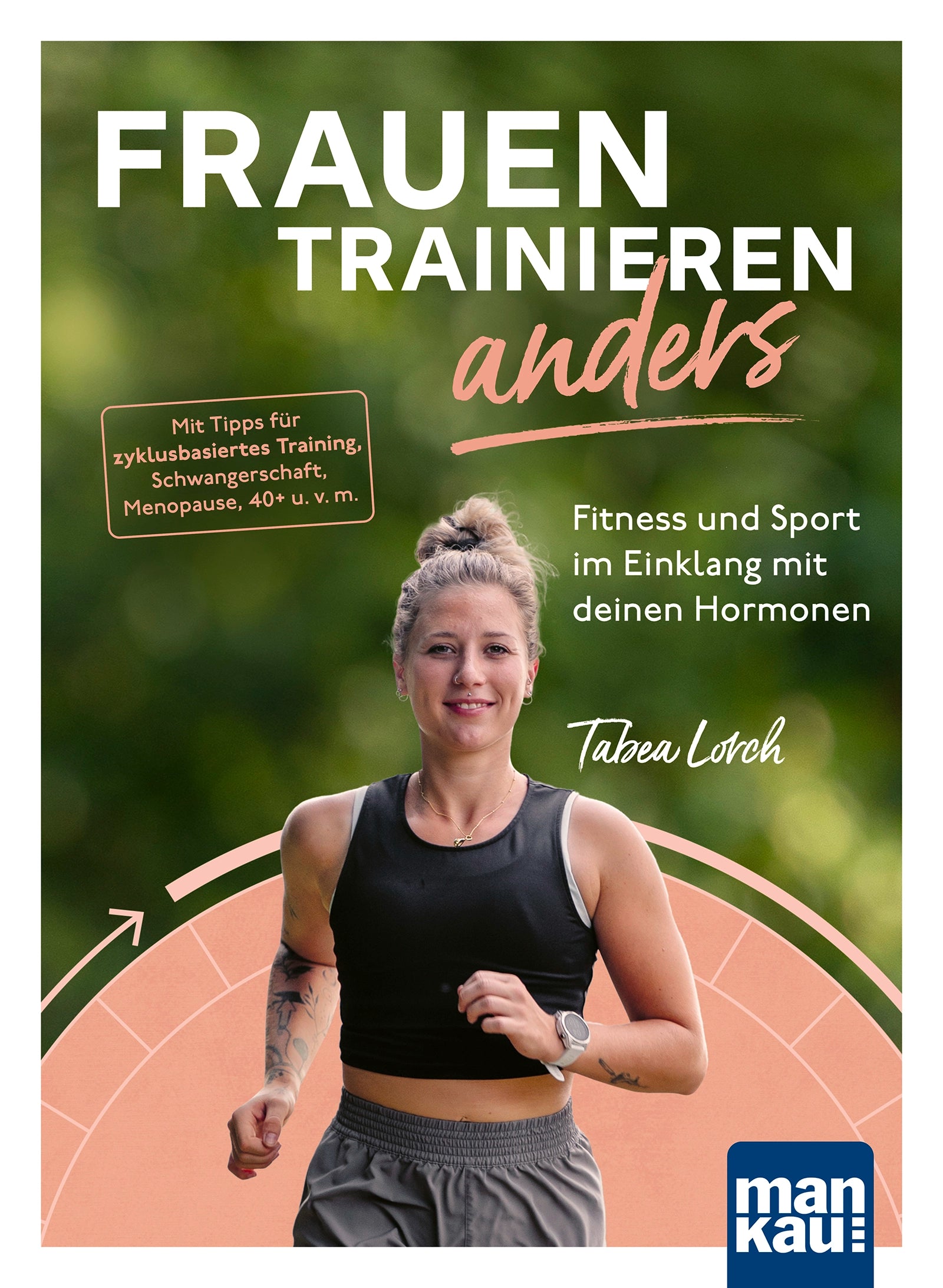
 Tabea Lorch: Women Train Differently. Fitness and Sport in Harmony with Your Hormones. With tips for cycle-based training, pregnancy, menopause, 40+, and much more. Including 3 explanatory videos and 2 audio running meditations. Mankau Verlag, 1st edition April 2025, paperback, 16 × 22 cm, color, 191 pages, incl. 3 video and 2 audio downloads, ISBN 978-3-86374-751-0, €20.00 (D) | €20.60 (A) Tabea Lorch: Women Train Differently. Fitness and Sport in Harmony with Your Hormones. With tips for cycle-based training, pregnancy, menopause, 40+, and much more. Including 3 explanatory videos and 2 audio running meditations. Mankau Verlag, 1st edition April 2025, paperback, 16 × 22 cm, color, 191 pages, incl. 3 video and 2 audio downloads, ISBN 978-3-86374-751-0, €20.00 (D) | €20.60 (A) |
Link recommendations:
More information about the book "Women Train Differently"
To the reading sample in PDF format
More about author Tabea Lorch
Our social networks – for questions, criticism, suggestions
This might interest you
More articles
Good manners: "The rules of etiquette are universally applicable and serve everyone!"
"The Knigge rules are an authoritative standard that many people know and use to evaluate others. The necessity of following rules for an orderly coexistence has not become obsolete over time. Even...
Read more
Barbara Simonsohn: "The linden tree is like a gift from heaven for modern humans!"
“All parts of the linden tree are edible: leaves, flowers, buds, seeds, and bark. Their density of vital nutrients and abundance of bioactive substances and antioxidants are impressive. The linden ...
Read more
Diverse range of books
We offer a wide range of books on health, self-help and personal development.

Inspiring authors
Our more than 120 authors are experts in their fields and are happy to share their wealth of experience.

Practical guides
Our books and media are practice-oriented and offer helpful tips and instructions for everyday life.

New releases
We continuously publish new books and audio guides that address and delve deeper into current topics.